
Teachers & educators
Plan learning, adjust tasks, record progress, contribute to IEP reviews and communicate with families.
Our Team
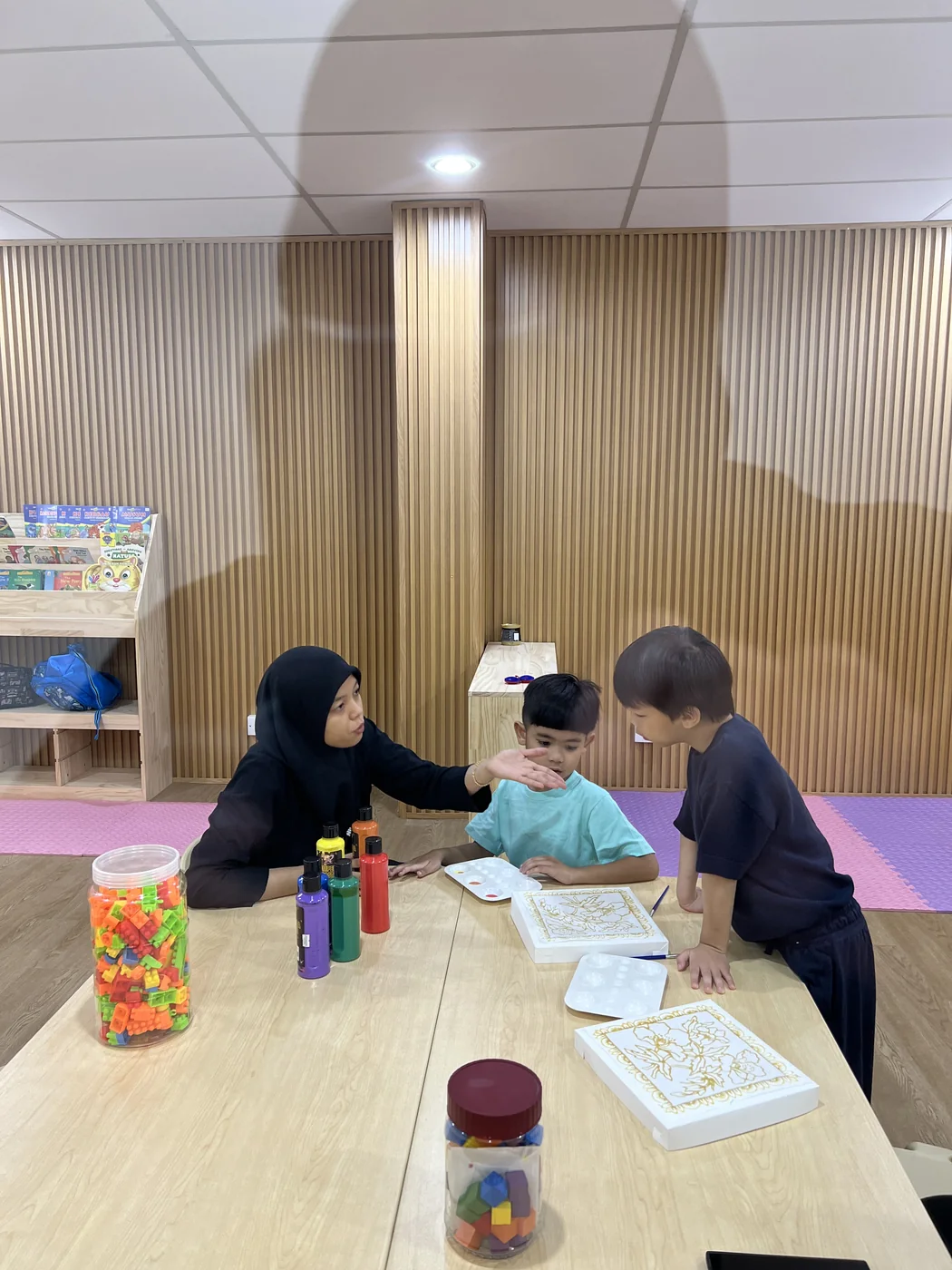
Educators understand the child within daily school routines. Families bring knowledge from life beyond school. Relevant professionals add specialist perspectives when needed. Each role should work together without going beyond its proper scope.
Leadership
The school leader is responsible for educational direction, team coordination, learner experience, family communication and ongoing school improvement. Leadership also helps ensure that roles, decisions and support boundaries remain clear across the school day.
Roles within KSS
Plan learning, adjust tasks, record progress, contribute to IEP reviews and communicate with families.
Support participation, transitions, routines, safety and classroom organisation under the agreed plan.
Practise specific strategies within their training and role, and record learner responses for review.
Where an active service exists, appropriately qualified professionals may contribute a specialist perspective.
Coordinate enquiries, visits, documents, placement communication and onboarding.
Support schedules, attendance, fees, records, premises and practical communication.
How we work together
Educators note participation and learning during daily routines.
Relevant observations are reviewed by the right team members.
A strategy is selected for a clear purpose and review period.
The learner’s response is documented, not simply remembered.
Families join decisions that affect an important goal or routine.
The plan changes when a strategy is not helping or needs adjustment.
Professional boundaries
Your next step
During a visit, ask who is normally present, how roles are divided and who to contact for learning, health or operational matters.